Before the Journey South: Why Some Birds Make One More Stop
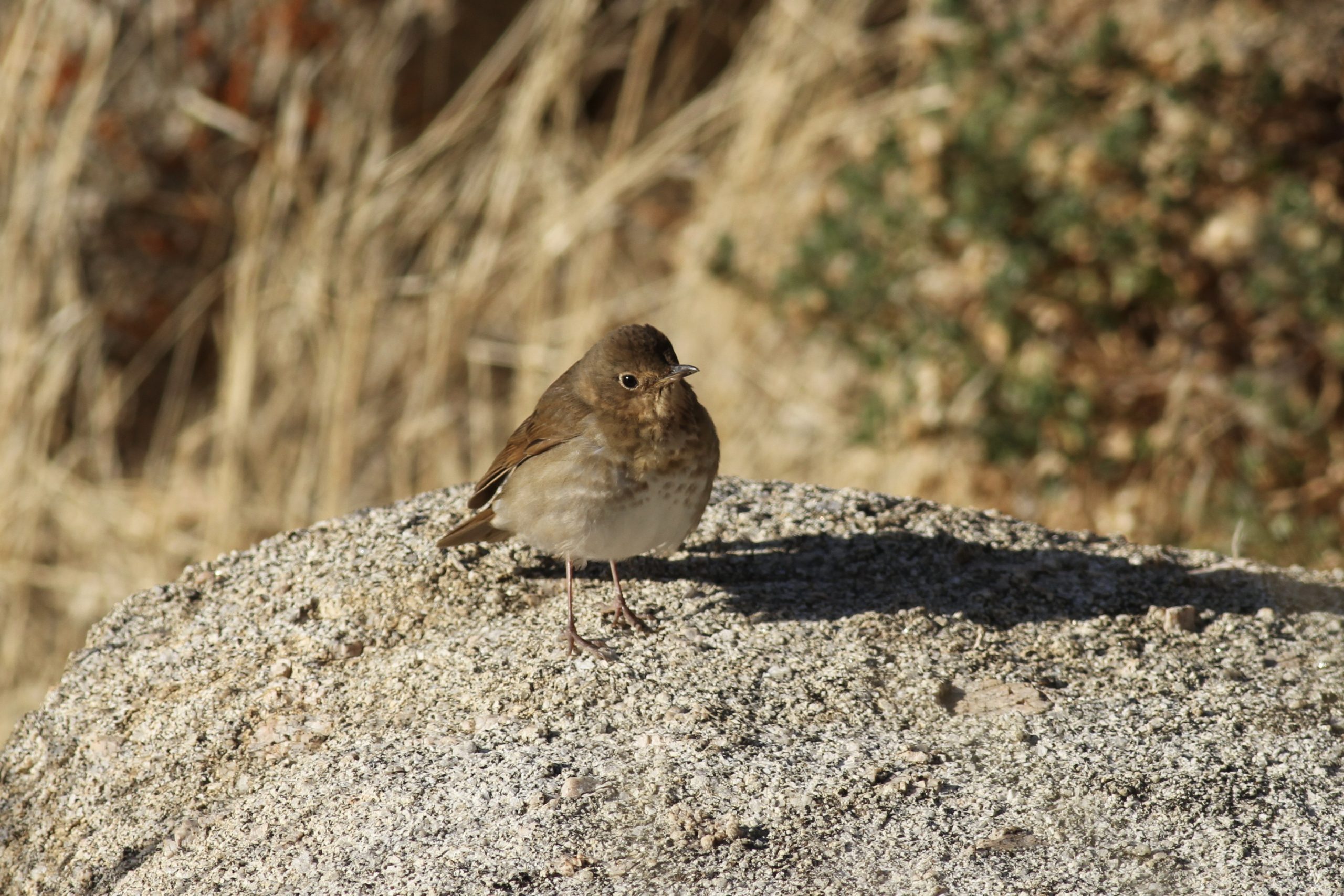
As summer gives way to fall, migrating birds fill the skies as they head toward warmer climates. But for many Neotropical migratory songbirds, migration doesn’t begin the moment the breeding season ends. Before embarking on a journey that spans thousands of miles, some birds make one more important stop, a place to replace their worn feathers in a process known as molt.
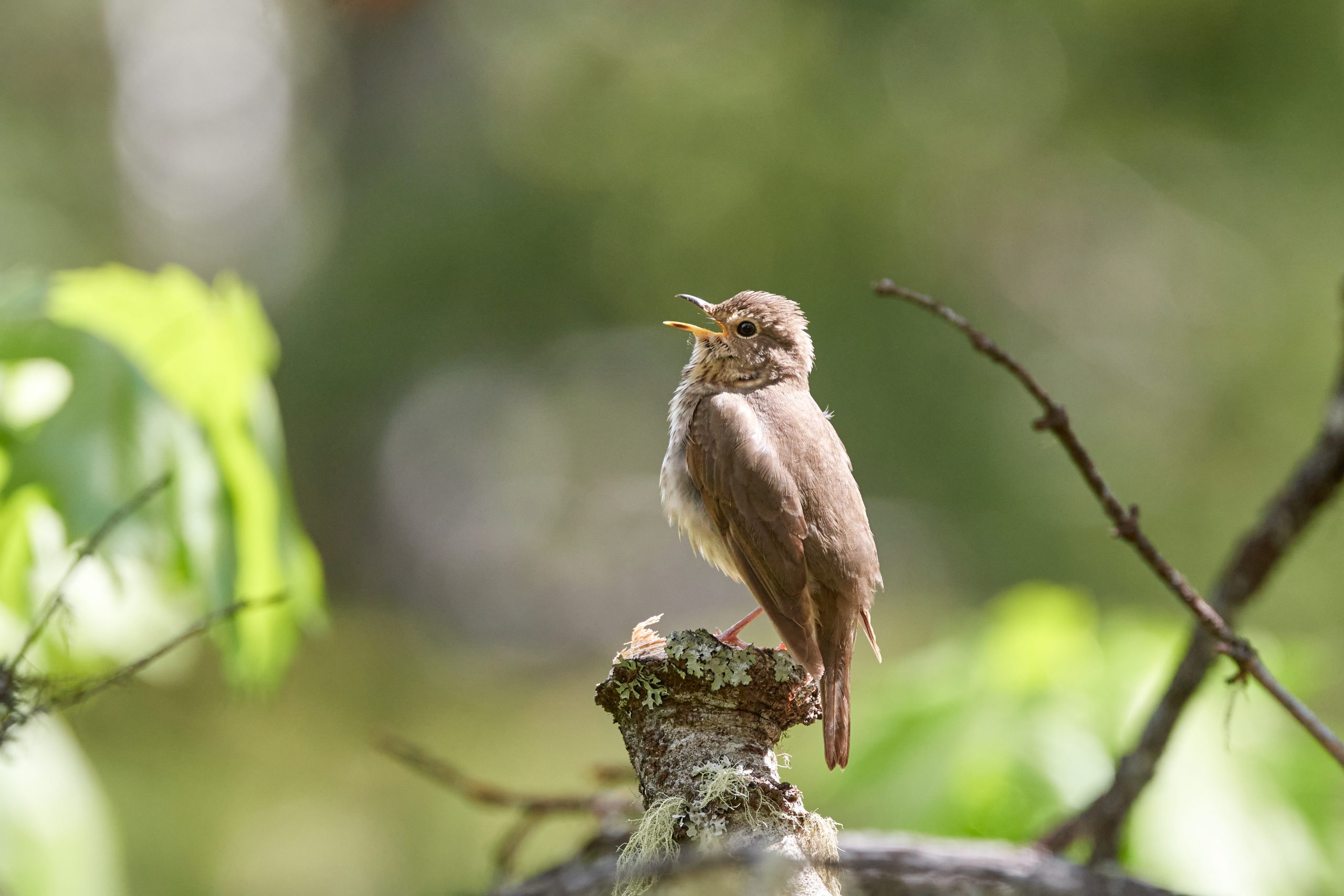
A new study published in Western Birds by scientists at Klamath Bird Observatory and collaborators sheds light on this little-known stage of the annual cycle for Swainson’s Thrushes. The analysis combines 20 years of bird-banding data from two stations in southwest Oregon; both stations are within the species’ breeding range but do not have nesting birds. We expect that both molting and non-molting individuals banded at the station represent short-distance movements of birds nesting nearby.
The researchers discovered that some thrushes consistently return to the same post-breeding sites year after year. Birds undergoing molt arrived earlier in the season, stayed longer, and were more likely to return to these locations than other birds in subsequent years.
Why does this matter?
Molting is one of the most energetically demanding periods in a bird’s life. Growing new feathers requires both time and abundant food. Our findings suggest that these post-breeding habitats are reliable seasonal refuges that provide the resources birds need to prepare for the long journey ahead. Protecting migratory birds means conserving not only where they breed and winter, but also the places they depend on in between.
This research was possible only through long-term monitoring, drawing on two decades of bird-banding data collected by dedicated staff, volunteers, interns, and partners along the Rogue and Applegate rivers. Long-term datasets allow us to uncover patterns that would otherwise remain hidden, helping us better understand birds throughout their full annual cycle and providing the science needed to inform conservation.
Disclosure Statement: This content was drafted with the assistance of AI and revised by staff for accuracy and clarity.