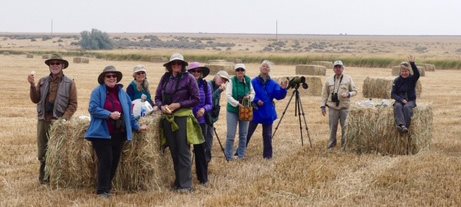
Finn and Elisa Travel 1,500 miles next stop Brazil
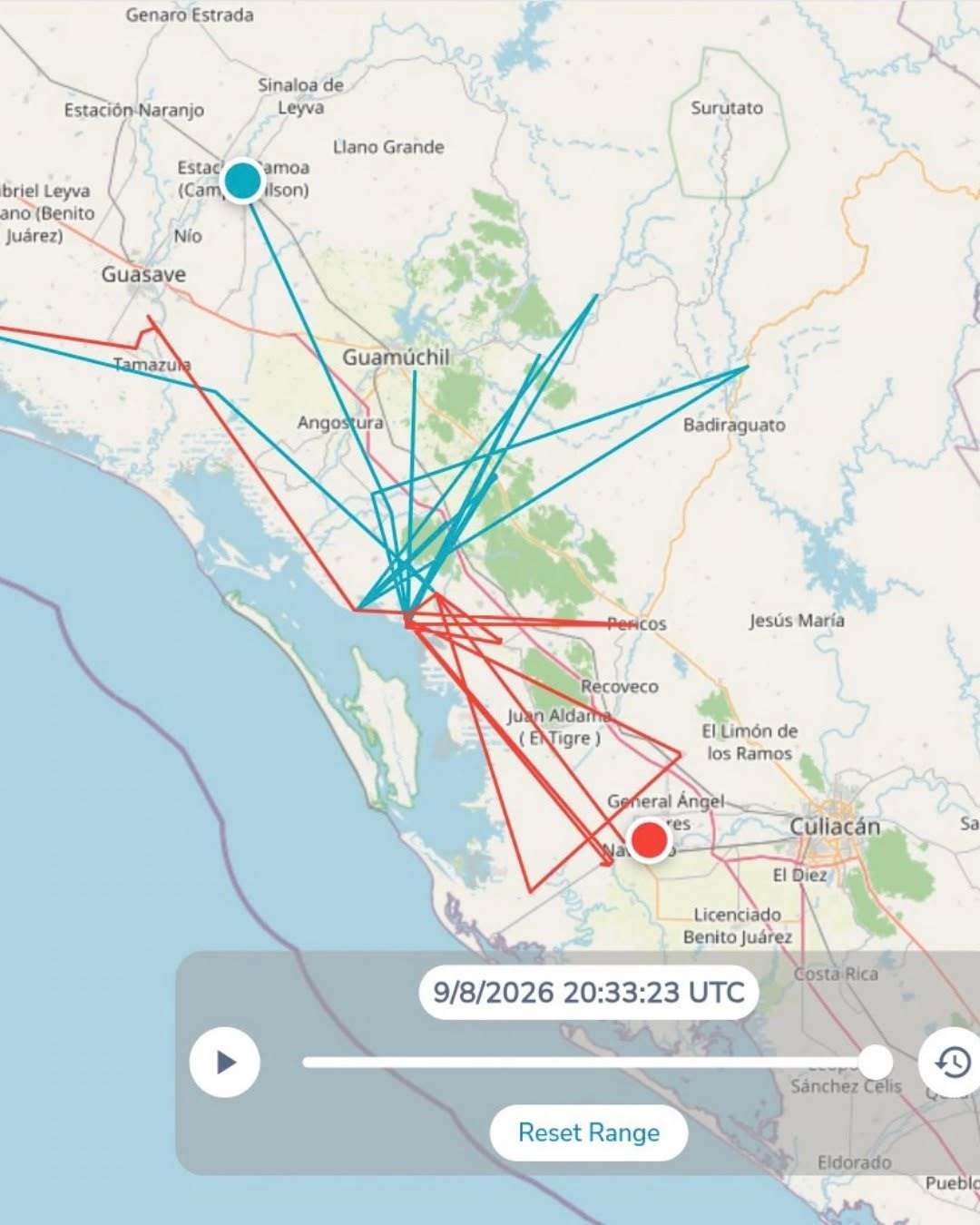
Two Purple Martins tagged on the Oregon coast are providing an extraordinary look at the migration of western Purple Martins. The birds, Finn and Elise, traveled more than 1,500 miles in six days, and despite leaving Oregon a day apart, they were recently detected within just a few miles of one another in Mexico.
The western subspecies of Purple Martin is of conservation concern, with an estimated population of only about 3,500 breeding pairs. Since 2020, Klamath Bird Observatory and its partners have used lightweight archival GPS tags to study the migratory routes, stopover sites, and wintering areas of Purple Martins that breed in Oregon. This work has revealed a journey of nearly 7,000 miles to southeastern Brazil and is helping researchers identify places that may be important to the birds throughout their annual cycle. Because archival GPS tags store their data, however, researchers must recapture returning birds to learn where they traveled.
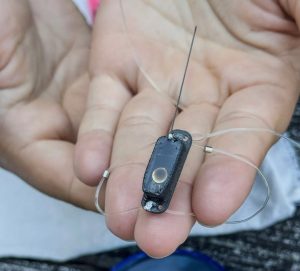 Finn and Elise are carrying a new type of solar-powered BlūBird tag developed by Cellular Tracking Technologies. Rather than recording GPS locations, these lightweight tags repeatedly broadcast unique digital signals that can be detected by compatible receiving stations and participating smartphones through Bluetooth. The receiving device supplies an approximate location and sends the detection to an online tracking system, allowing researchers to follow the birds’ progress soon after detections occur. This is the first time this type of tag has been used to track western Purple Martins.
The tracking effort is a collaboration between Seven Capes Bird Alliance’s SWIFTY program and Klamath Bird Observatory’s Purple Martin project. We are excited to share this update from Seven Capes and follow the birds as they continue their remarkable journey toward southeastern Brazil.
Read more and follow Finn and Elise’s migration through the Seven Capes Bird Alliance.
Help Follow the Next Journey
Stories like Finn and Elise’s demonstrate how tracking technology can reveal where birds travel, which habitats they rely on, and what challenges they encounter along the way. Through KBO’s Adopt-a-Tag program, you can help put GPS, Motus, and other tracking devices into the field and turn movement data into conservation action.