Tag: bird banding

Bird Banding Internship

Klamath Bird Observatory is seeking highly motivated individuals to participate in our long-term landbird monitoring program. This position requires independent drive and patience for the travails of fieldwork but also affords an amazing opportunity to build practical experience in field biology and master a variety of bird monitoring and research skills in a beautiful part of the country.

Our bander training program blends an intensive field internship with coursework designed in accordance with North American Banding Council (NABC) standards to prepare participants for successful careers as field ornithologists. Training and duties will include mist-netting and banding of passerines and near passerines; bird surveying; data quality-assurance, entry, and management; and participation in public outreach and education. Non-field duties include study and discussion of banding curriculum, equipment maintenance, field station upkeep, and data entry. Accommodation is provided in shared rooms in a rustic cabin on the Upper Klamath Lake which has potable running water, a full kitchen, internet access, a wood stove, and electric space heaters, and an external bathhouse. Hiking and birding opportunities abound nearby with access to bikes and kayaks. Weekly visits to remote sites will require multi-night camping trips and brief strenuous hiking carrying heavy banding equipment.

Laura Cardenas Ortiz Banding intern banding at CABN 20080522 cropped (72ppi 4x)QUALIFICATIONS: Successful candidates will demonstrate a strong interest in birds and field biology, possess a positive attitude during long days and occasionally adverse conditions (heat, cold, mosquitoes, smoke), work cooperatively and constructively toward project objectives, give priority to safety considerations, make common-sense decisions about wildlife (bear, cougar), and be able to work and live harmoniously in close company with coworkers. To preserve the quality and consistency of our long-term dataset, interns must also be able to precisely follow protocols and take meticulous care in collecting and recording data. Excellent communication skills are critical. Interns are required to possess a valid Driver’s License and clean driving record to use provided field vehicles for project-related travel. Preferred qualifications include outdoor skills, sight and sound bird identification skills, bird handling, and banding experience. This position requires early mornings (pre-dawn), weekends, and the ability to follow a work schedule that is dependent on the changing weather and unpredictable field conditions. Interns must be willing and able to adhere to strict health and safety guidelines for banding safety during the COVID-19 pandemic. Effective June 21, 2021, KBO will require that all Employees and Interns be fully vaccinated for COVID-19, and be able to provide proof of vaccination status.

STIPEND: $750 Monthly plus accommodations.

Durations: May 1st – October 31st

APPLICATION DEADLINE: Ongoing until the position has been filled. Offers are contingent on the status of the COVID-19 pandemic and subsequent health and safety mandates throughout the field season.

TO APPLY: Send cover letter, resume, and contact information for three references in a single PDF document to Bird Banding Research Biologist, Claire Stuyck (cms@klamathbird.org).

Expanding Research with Cutting-Edge Technology


Oregon Vesper Sparrow (c) Frank Lospalluto

In recent years, we have expanded the project with the deployment of archival GPS tags to track migration and overwinter locations of Oregon Vesper Sparrows that breed in the Rogue Basin. We successfully captured 10 males at our Howard Prairie study site in 2020 and placed GPS backpacks on them using a leg-loop harness. Because the GPS tags are very small, and the batteries are not powerful enough to transmit data, tagged birds need to be recaptured the following year to retrieve the stored data.

In 2021, we located and recaptured four of these GPS backpack-wearing males! Three of them had fully functioning tags with fall migration and/or wintering locations recorded, and we look forward to sharing these exciting new results soon. In 2022, we tagged 15 more birds at our Rogue Basin study site, as well as worked with partners in the Willamette Valley to tag 14 more birds there. We recaptured 5 of these birds and were so excited to see the novel location data on these tags! This subspecies has never been tracked year-round before, and our work will uncover critical information about the migratory routes and overwintering areas used by this imperiled subspecies. This will help answer a question essential for future conservation efforts – what challenges might these birds be facing during migration and winter? Do birds breeding in the Rogue Basin and Willamette Valley use the same migration routes and winter locations? If not, how might these conservation challenges differ for disparate breeding populations?

To read more about this effort and see photos, check out the Klamath Call Note blog at How to Track an Oregon Vesper Sparrow and KBO Tracks the First Oregon Vesper Sparrows. Our GPS research was made possible with funding from the Carpenter Foundation, Oregon Wildlife Foundation, and Oregon Conservation and Recreation Fund.

Vesper Meadow Motus Antennae (c) Klamath Bird Observatory
Vesper Meadow Motus Computer (c) Klamath Bird Observatory

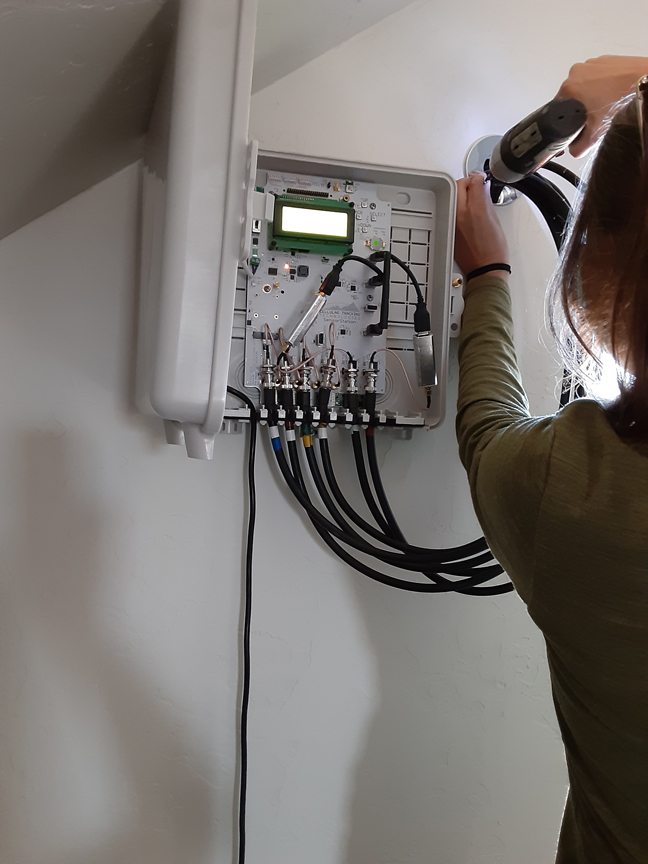
The year 2020 also saw the installation of the very first Motus station in Oregon (now there are many others!) at the Vesper Meadow Restoration Preserve, supported by Montana’s MPG Ranch. The Motus Wildlife Tracking System is a collaborative research network using automated radio-telemetry arrays to study the movements of small organisms. Tags are small enough to be carried by birds, bats, and even insects. Motus tags emit a radio frequency that can be detected by a nearby Motus station anywhere in the world. Our ongoing research includes tracking local Oregon Vesper Sparrow movements using Motus technology at this site, and migratory movements as the western Motus network develops. Further, our Motus station will provide location data for other research projects, recording any tagged organism that passes by on its own migratory journey. The East Coast has a well-established Motus network that has led to exciting new discoveries in animal migration. We are excited to be at the forefront of developing a Motus network in the western U.S.

In 2021 – 2023, we searched for nests of this ground-dwelling bird at Vesper Meadow and placed Motus-compatible LifeTags on 35 Oregon Vesper Sparrow nestlings that were nearly ready to fledge. LifeTags are solar-powered and emit a signal every few seconds during daylight hours for the lifetime of the bird. The automated “resighting” and location estimation from this new technology will help us study habitat use, movements, and survival of young birds during the vulnerable post‐fledging period, and explore the dispersal of returning birds to nearby meadows in the following spring. We set up an array of Motus nodes at Vesper Meadow to supplement our main Motus station there. A subset of the nodes formed a mini-grid around two of the nests with tagged nestlings, and this will serve to pilot the use of this technology to track precise fledgling locations. We collected tens of thousands of detections of our tagged fledglings from the node network over the months of June – October 2022, and more in 2023, and we will analyze those data soon. A second aspect of our Motus work involves using a handheld telemetry antenna and Motus nodes placed in nearby meadows to try to detect any tagged birds that disperse to other meadows. We have done this from 2022-2024, but have not yet found any of these young birds moving to meadows away from where they were initially tagged in subsequent years. It is still a mystery where most of them go.

In 2022, one of the fledglings tagged in 2021 passed by the Motus station, pinging off the tower three times between April 24 and May 13. This was very exciting! Because this individual did not seem to stay in this area to breed, we would never have known it was there – and that it had survived the winter – without the Motus tag. In addition to enhancing our Vesper Sparrow research, the Motus station at Vesper Meadow has detected many other birds as well, including fiveLewis’s Woodpeckers migrating from MPG Ranch lands in Montana, a Swainson’s Thrush, Western Sandpiper, and Semipalmated Plover that were tagged in British Columbia, and a Dunlin and Long-billed Dowitcher that was tagged in California’s Central Valley. So the station is assisting other researchers with their migration tracking projects as well! Our Motus station, node network, and tagging effort were made possible by MPG Ranch, USFWS, Oregon Wildlife Foundation, Oregon Conservation and Recreation Fund, and private donations.

Motus LifeTag
KBO Volunteer with CTT Handheld (c) Kevin Spencer

The Great Fall Migration Melodrama is Upon Us!

Golden-crowned, White-crowned, and Fox Sparrows arriving en mass from the north! Hermit Warblers and many other local nesting birds departing for their Tropical winter homes! And Sharp-shinned Hawks chasing them all through the forests! What a sensational dramatic story unfolding at our bird banding stations in these early days of the great annual bird fall migration! And you are invited to bear witness from a catbird seat with KBO’s biologists.

Klamath Bird Observatory continues to offer public visits to bird banding at our Upper Klamath Field Station near Fort Klamath in the Upper Klamath Lake area—but there are just a few more opportunities this fall. The banding station is scheduled on most Thursday mornings through mid-October. Individual, family, and group visits can be arranged by emailing KBO’s Banding Program Coordinator Bob Frey (see below).

This banding station, along Sevenmile Creek on the Fremont-Winema National Forest, is one of the longest running bird monitoring sites in the region. In the fall, many songbird species migrate through the Klamath Basin and can be encountered here, especially large numbers of warblers and sparrows. The location is also a birding hotspot on the Klamath Basin Birding Trail.

And a reminder … Crater Lake National Park and KBO continue our bird ecology program series into the fall. These Park Ranger-led programs begin at the Park’s Steel Visitor Center and feature a visit to KBO’s banding station in nearby Munson Valley. These programs are scheduled on Friday mornings—please check the Crater Lake National Park series flyer below for upcoming dates and more details.

Don’t miss these opportunities to experience the grand drama and visit KBO’s biologists and the birds they are studying up close!

CLICK HERE to contact KBO’s Banding Program Coordinator Bob Frey to arrange a visit to KBO’s Sevenmile Creek banding station.

CLICK HERE to view the Klamath Basin Birding Trail website for birding hotspot descriptions, maps, and other local birding resources.

Don’t Miss the Opportunity to Visit a KBO Bird Banding Station in 2019!

Klamath Bird Observatory continues to offer public visits to bird banding at our Upper Klamath Field Station near Fort Klamath in the Upper Klamath Lake area. The bird banding is scheduled on Thursday mornings through mid-October. Individual, family, and group visits can be arranged by emailing KBO’s Banding Program Coordinator Bob Frey (see below).

Nestled along Sevenmile Creek on the Fremont-Winema National Forest, this banding station has been operated each year during the nesting and fall migration seasons since 1997—one of the longest running bird monitoring sites in the region. In the fall, many songbird species migrate through the Klamath Basin and can be encountered here, especially large numbers of warblers and sparrows. The location is also a birding hotspot on the Klamath Basin Birding Trail.

And … KBO and Crater Lake National Park continue our bird ecology program series into the fall. These Ranger-led programs begin at the Park’s Steel Visitor Center and feature a visit to KBO’s banding station at the Park’s Munson Valley. These programs are scheduled on Friday mornings—please check the Crater Lake National Park series flyer below for upcoming dates and more details.

Don’t miss these opportunities to visit KBO’s biologists and the birds they are studying up close!

CLICK HERE to contact KBO’s Banding Program Coordinator Bob Frey to arrange a visit to KBO’s Sevenmile Creek banding station.

CLICK HERE to view the Klamath Basin Birding Trail website for birding hotspot descriptions, maps, and other local birding resources.

Visit a KBO Banding Station in 2019!

Klamath Bird Observatory is offering public visits to our bird banding station near Fort Klamath in the Upper Klamath Lake area. The banding station is scheduled on most Thursday mornings through mid-October. Individual, family, and group visits can be arranged by emailing KBO’s Banding Program Coordinator Bob Frey (see below).

Situated along Sevenmile Creek within Fremont-Winema National Forest, this banding station has been operated each year during the nesting and fall migration seasons since 1997—one of the longest running bird monitoring sites in the region. In the fall, many songbird species migrate through the Klamath Basin and can be encountered here. The location is also a birding hotspot on the Klamath Basin Birding Trail.

Also, KBO and Crater Lake National Park continue our bird ecology program series into the fall. These Ranger-led programs begin at the Park’s Steel Visitor Center and feature a visit to KBO’s banding station within Crater Lake National Park. These programs are scheduled on Thursday or Friday mornings—please check the Crater Lake National Park series flyer below for upcoming dates and more details.

Don’t miss these opportunities to visit KBO’s biologists and the birds they are studying up close!

CLICK HERE to contact KBO’s Banding Program Coordinator Bob Frey to arrange a visit to KBO’s Sevenmile Creek banding station.

CLICK HERE to view the Klamath Basin Birding Trail website for birding hotspot descriptions, maps, and other local birding resources.

Visit a KBO Banding Station at Crater Lake National Park!

The programs are on Thursday mornings, but not every Thursday through August and Fridays in the fall—please check the Crater Lake National Park bird banding visit flyer below for scheduled dates
and information on how to register for these special events . Don’t miss this opportunity to visit KBO’s biologists in the field, see the birds they are studying up close, guided by an expert Park Ranger!

Crater Lake National Park and Klamath Bird Observatory are again presenting a bird ecology program series this summer and into the fall. The popular Park Ranger-led programs feature a visit to KBO’s bird monitoring station within Crater Lake National Park, bringing park visitors, park birds, and researchers all together.

KBO is also offering public visits to another of our bird monitoring stations located at our Upper Klamath Field Station near Fort Klamath by arrangement. Email Bob Frey for more information.

Registration for KBO’s 2019 Summer Bird Banding Workshop closes soon!

Our 2019 Summer Bird Banding Workshop is August 5-9 at our Upper Klamath Field Station. This is a North American Banding Council-approved training session with NABC-based content and NABC-certified Trainer instructors. All registration fees go directly to funding our long-term monitoring and banding training program. Registration closes July 15, 2019.

The four-day workshop will combine morning sessions learning hands-on in the field with afternoons in the classroom and provide participants with an excellent opportunity to experience an active bird monitoring station and learn the theory and skills required to operate it. Participants will receive training in bird safety, mist net use and maintenance, data collection, bird identification, bird banding, and sexing and ageing techniques. The workshop agenda is designed as a comprehensive introduction for those with little to no prior experience but is also appropriate for more experienced banders looking to build upon their existing skills and knowledge. Participants should not expect to emerge from this workshop as fully qualified bird banders, however, this course provides an excellent start in preparation for those interested in pursuing the NABC Bander certification. This workshop is designed for undergraduate and graduate students, bird observatory volunteers, naturalists, and others interested in pursuing careers in ornithology or assisting at bird banding stations.

The registration fee is $1,600 per person and is non-refundable. Registration includes all meals (including beverages and snacks) beginning with dinner Monday August 5 and ending with lunch Friday August 9. Space is available for free tent camping at KBO’s rustic Upper Klamath Field Station. There is lodging available nearby at several Rocky Point area resorts and lodges (all with rooms and/or cabins as well as RV and tent camping) and a few options on Airbnb (search Rocky Point or Klamath Falls, Oregon). A little further away are Running Y Ranch Resort (about 20 minute drive) and hotels in Klamath Falls (about 40 minutes).

Registration closes July 15, 2019—CLICK HERE to register at the KBO Online Store.

Come for a top-notch banding learning experience and help keep our long-running monitoring and training program going. For more information and answers to any questions please contact Lauren diBiccari at ledklamathbird.org.

KBO at Klamath Falls World Migratory Bird Day Saturday May 18!

Come join us at the 20th Annual Klamath Falls World Migratory Bird Day Celebration at Veteran’s Park this Saturday May 18th! Several expert led birdwatching walks through the park will visit KBO’s bird banding demonstration throughout the festival. Biologists will share the captured wild birds up close before their release—a close-up experience of bird migration passing through the Klamath Basin.

CLICK HERE for more information about Klamath Falls World Migratory Bird Day.

The 2019 World Migratory Bird Day theme is “Protect Birds: Be the Solution to Plastic Pollution! Come and learn about bird migration and the problems they face from our plastic pollution. Each year, the World Migratory Bird Day advisory committee selects an artist to illustrate the annual conservation theme. Arnaldo Toledo Sotolongo, from Santa Clara, Cuba was selected to create the World Migratory Bird Day 2019 artwork—in which he displays a passionate and beautiful, though painfully tragic, poster illustration.

CLICK HERE to view the 2019 World Migratory Bird Day poster “Protect Birds: Be the Solution to Plastics Pollution”.

This local celebration of World Migratory Bird Day is sponsored by the U.S. Fish and Wildlife Service in partnership with Klamath Watershed Partnership, Klamath Basin Audubon Society, Klamath Wing Watchers, U.S. Forest Service, National Park Service, the City of Klamath Falls, and many other valuable partners. Now in its 29th year, World Migratory Bird Day has grown from a one-day event into a framework underpinning hundreds of projects and programs year-round. It is coordinated by Environment for the Americas, which provides bilingual educational materials and information about birds and bird conservation throughout the Americas. Their programs inspire children and adults to get outdoors, learn about birds, and take part in their conservation.

CLICH HERE for more information about World Migratory Bird Day and Environment of the Americas.

KBO at Rogue Valley Bird Day Festival – Next Saturday May 11!

Spring is here and so are the birds at the Rogue Valley Bird Day festival at Ashland’s North Mountain Park! Join Klamath Bird Observatory biologists at a bird banding demonstration—one of the many family friendly activities planned. The City of Ashland Department of Parks and Recreation with many partners will host the Rogue Valley Bird Day festival Saturday May 11 from 8 am to 12 pm. The festival is our local celebration of World Migratory Bird Day and will feature expert-guided bird walks, The Big Sit feeder watch, thrilling programs featuring birds of prey by Wildlife Images Education Rehabilitation Center, our bird banding demonstration, and the ever-very-popular bird calling contest!

KBO will also present an interactive display and demonstration of eBird tools that help link community birders with conservation science. The display will highlight Community Science tools that allow all birders to contribute to local and international monitoring efforts and existing bird data from Bear Creek and North Mountain Park, which has undergone immense restoration over the past 20 years.

CLICK HERE for more information about Rogue Valley Bird Day.

The 2019 World Migratory Bird Day theme is “Protect Birds: Be the Solution to Plastic Pollution! Come and learn about the problems birds face from our world-wide plastic problem. And experience the bird migration right here in our beautiful Rogue Valley! Several walks through the park led by area birding experts will visit KBO’s bird banding demonstration. Biologists will share the captured wild birds up close before their release.

Each year, the World Migratory Bird Day advisory committee selects an artist to illustrate the annual conservation theme. Arnaldo Toledo Sotolongo, from Santa Clara, Cuba was selected to create the World Migratory Bird Day 2019 artwork. Arnaldo is a scientific illustrator, photographer and designer, and volunteers in conservation projects in his free time. His 2019 poster illustration tells a passionate though painfully tragic tale.

CLICK HERE to view the 2019 World Migratory Bird Day poster “Protect Birds: Be the Solution to Plastics Pollution”.

Now in its 29th year, World Migratory Bird Day has grown from a one-day event into a framework underpinning hundreds of projects and programs year-round. It is coordinated by Environment for the Americas, which provides multi-lingual educational materials and information about birds and bird conservation throughout the Americas. Their programs inspire children and adults to get outdoors, learn about birds, and take part in their conservation.

CLICK HERE for more information about World Migratory Bird Day and Environment of the Americas.

CLICK HERE to learn more about plastic pollution and how it is affecting birds.


Banding Station Visit Opportunities Continue This Fall

Klamath Bird Observatory is offering public visits to our bird banding station near Fort Klamath in the Upper Klamath Lake area. The banding station is scheduled on Monday mornings through October 8. Individual, family, and group visits can be arranged by emailing KBO’s Banding Program Coordinator Bob Frey (see below).

Situated along Sevenmile Creek within Fremont-Winema National Forest, this banding station has been operated each year during the nesting and fall migration seasons since 1997—one of the longest running bird monitoring sites in the region. In the fall, many songbird species migrate through the Klamath Basin and can be encountered here. The location is also a birding hotspot on the Klamath Basin Birding Trail.

Also, KBO and Crater Lake National Park continue our bird ecology program series into the fall. These Ranger-led programs begin at the Park’s Steel Visitor Center and feature a visit to KBO’s banding station within Crater Lake National Park. The programs are scheduled on Thursday mornings—please check the Crater Lake National Park series flyer (see below) for upcoming dates and more details.

Don’t miss these opportunities to visit KBO’s biologists in the field and see the birds they are studying up close!

CLICK HERE to contact KBO’s Banding Program Coordinator Bob Frey to arrange a visit to KBO’s Sevenmile Creek banding station.

CLICK HERE to view the Crater Lake National Park bird banding visit flyer with more information and how to register.

CLICK HERE to view the Klamath Basin Birding Trail website for birding hotspot descriptions, maps, and other local birding resources.